Welcome to the Temple of Zeus's Official Forums!

Welcome to the official forums for the Temple of Zeus. Please consider registering an account to join our community.

Diwali

Aldrick Strickland said:
HailMotherLilith said:
Guys, I apologized, I admitted to making a mistake, explained why and learned.

No need to continue this any further and cause more drama.

Thank you for cautioning us of the presence of corrupted Material. Very well placed Thinking. Also thank you for your maturity in the matter. Very well handled.
White knight till the end I see.
*sarcasm*
2012DarkKnightRisesPoster03600Gb230512-220x320.jpg
 
HP Mageson666 said:
Guys this thread keep it decent.
These things just keep happening again and again. I'm sorry you have to moderate this shit. Therefore to keep it civil, I won't entertain illogical arguments going tangent to the original topic any longer.
 
Aldrick Strickland said:
HailMotherLilith said:
Guys, I apologized, I admitted to making a mistake, explained why and learned.

No need to continue this any further and cause more drama.

Thank you for cautioning us of the presence of corrupted Material. Very well placed Thinking. Also thank you for your maturity in the matter. Very well handled.

I thank everyone who put it out simply and bluntly for me,I highly appreciate it and thank you!

And for those who had the necessity to insult me for a mere mistake, I hope you pick your words more carefully next time, because if you had/have your own children and taught/teach them in the same manner (insults, degrading behaviour, negative energy exchange) you won't have a well taught and mannered child, you'll have a traumatized child wishing to end this pain and humility. Teach everyone (SS or those who are VERY close to the truth but need some more encouragement or so) with equal respect, don't belittle somebody just because they made a mistake.

I'm not a Goddess yet,you are not Gods yet, that is why we make mistakes to learn from them, you don't see our True Gods insulting us or degrading us or acting more dominant or some other shit, they treat us with respect and teach us well and that is why they receive equal respect from us.

How long do you think you would last (without any scarring or trauma or lowered self esteem) if the True Gods and other SS attacked you like insane animals?

I learned my mistake, but did you?
 
Jack said:
Aldrick Strickland said:
HailMotherLilith said:
Guys, I apologized, I admitted to making a mistake, explained why and learned.

No need to continue this any further and cause more drama.

Thank you for cautioning us of the presence of corrupted Material. Very well placed Thinking. Also thank you for your maturity in the matter. Very well handled.
White knight till the end I see.
*sarcasm*
2012DarkKnightRisesPoster03600Gb230512-220x320.jpg


Im not hero this Forum Deserves...Im the one it needs right now.
 
Wow men, some neurotic people here lol. :lol: Well I would say just nervous. ;)

A while ago, I remember there was more respect for members. Not only for newbies but especially for members that are here for a long time now. Long time members that brought a huge impact and a lot of knowledge, shared experiences, gave advices, helped people.
Trying to mock and joke and disrespect Aldrick is not only stupid and childish, but also ungrateful.
Being a bit humble and admit to have exaggerated will make some of you look more intelligent -not saying you aren't- .
 
HailMotherLilith said:
Aldrick Strickland said:
Insults some more and then does an appeal to superiority. I hope you get over this thing called acting like a sane calm human and be like me, awesome.

So now im going to delete this and make your new post.

Jack- Yeah Sister, you are right. You gotta be careful! Especially with indian stuff that has been the most corrupted. But I did my research on this actually. It seems really awesome. Let me post some info and lets look into this together. I think you will actually like it!

This is actually a really cool Holiday!

Diwali, Deepavali or Dipavali is the Hindu festival of lights, which is celebrated every autumn in the northern hemisphere (spring in southern hemisphere).[5][6] One of the most popular festivals of Hinduism, Diwali symbolises the spiritual "victory of light over darkness, good over evil and knowledge over ignorance."[7][8][9] During the celebration, temples, homes, shops and office buildings are brightly illuminated.[10] The preparations, and rituals, for the festival typically last five days, with the climax occurring on the third day coinciding with the darkest night of the Hindu lunisolar month Kartika. In the Gregorian calendar, the festival generally falls between mid-October and mid-November.[11

In the lead-up to Diwali, celebrants will prepare by cleaning, renovating, and decorating their homes and workplaces.[12] During the climax, revellers adorn themselves in their finest clothes, illuminate the interior and exterior of their homes with diyas (oil lamps or candles), offer puja (worship) to Lakshmi, the goddess of prosperity and wealth,[note 1] light fireworks, and partake in family feasts, where mithai (sweets) and gifts are shared. Diwali is also a major cultural event for the Hindu and Jain diaspora from the Indian subcontinent.[15][16][17]

The five-day festival originated in the Indian subcontinent and is mentioned in early Sanskrit texts. The names of the festive days of Diwali, as well as the rituals, vary by region. Diwali is usually celebrated eighteen days after the Dussehra (Dasara, Dasain) festival with Dhanteras, or the regional equivalent, marking the first day of the festival when celebrants prepare by cleaning their homes and making decorations on the floor, such as rangoli.[18] The second day is Choti Diwali, or equivalent in north India, while for Hindus in the south of India it is Diwali proper. Western, central, eastern and northern Indian communities observe Diwali on the third day and the darkest night of the traditional month. In some parts of India, the day after Diwali is marked with the Govardhan Puja and Diwali Padva, which is dedicated to the relationship between wife and husband. Some Hindu communities mark the last day as Bhai Dooj, which is dedicated to the bond between sister and brother,[19] while other Hindu and Sikh craftsmen communities mark this day as Vishwakarma Puja and observe it by performing maintenance in their work spaces and offering prayers.[20][21]

Some other faiths in India also celebrate their respective festivals alongside Diwali. The Jains observe their own Diwali, which marks the final liberation of Mahavira,[22][23] the Sikhs celebrate Bandi Chhor Divas to mark the release of Guru Hargobind from a Mughal Empire prison,[24] while Newar Buddhists, unlike other Buddhists, celebrate Diwali by worshiping Lakshmi.[25][26] The festival of Diwali is an official holiday in Fiji,[27] Guyana,[28] India, Malaysia (except Sarawak),[29] Mauritius, Myanmar,[30] Nepal,[31] Singapore,[32] Sri Lanka, Suriname, and Trinidad and Tobago.[33]

Over the centuries, Diwali has become a national festival that is enjoyed by most Indians regardless of faith: Hindus, Jains, Buddhists, and Sikhs.

Hindus interpret the Diwali story based upon where they live:
In northern India they celebrate the story of King Rama's return to Ayodhya after he defeated Ravana by lighting rows of clay lamps.
Southern India celebrates it as the day that Lord Krishna defeated the demon Narakasura.
In western India the festival marks the day that Lord Vishnu, the Preserver (one of the main gods of the Hindu trinity) sent the demon King Bali to rule the nether world.
In all interpretations, one common thread rings true—the festival marks the victory of good over evil.

Non-Hindu communities have other reasons for celebrating the holiday:
In Jainism, it marks the nirvana or spiritual awakening of Lord Mahavira on October 15, 527 B.C.
In Sikhism it marks the day that Guru Hargobind Ji, the Sixth Sikh Guru was freed from imprisonment.

On the first day of Diwali, people consider it auspicious to spring clean the home and shop for gold or kitchen utensils.

On the second day, people decorate their homes with clay lamps and create design patterns called rangoli on the floor using colored powders or sand.
The third day is the main day of the festival when families gather together for Lakshmi puja, a prayer to Goddess Lakshmi followed by mouth-watering feasts and firework festivities.

The fourth day is the first day of the new year when friends and relatives visit with gifts and best wishes for the season.

On the last day of Diwali, brothers visit their married sisters who welcome them with love and a lavish meal.

Im Glad you posted about this. Sounds great. Happy Diwali.

Oh btw, Aldrick!

I was wondering, is Lakshmi another name for one of our Goddesses? Mother Lilith perhaps? Or is it corrupted?
What about Vishnu?

I've heard of these two names from a TV Indian series my mom watches everyday, and I thought that since it is a TV series, those names must be corrupted because in there, people WORSHIP that deity, while our True Gods told that we don't need to worship them because they don't need slaves like Yehuborim or that reptilian hive mind "YHVH" shits do... So I am hoping to learn from those who have more knowledge on this, THANK YOU!!!! :D
Maa Lakhsmi is Lady Astaroth and Maa Shakti/Kali/Durga are names for Lady Lilith. Its more hard to determine who Vishnu is since all Hindu deities are allegories and its hard to correlate Demons with exact ones. For some like Lord Shiva/Rudra/Pashupati/Manu we know its Lord Satan. Satan as you'd know actually comes from ancient sanskrit sat yan meaning eternal truth (Satanama) ,from Sanat Kumara( which is the ancient title of Lord Shiva). Satanism comes from The ancient Sanatana Dharma.
Current Hindus are unaware of a deities meaning and relationship with the occult. As with majority of the world, they are blinded by dogma. However there are many schools of Yoga which still has some good material especially the Tantric schools such as Bihar school of Tantra. They aren't making much impact in general life of the public though. The problem with current Hinduism is that many of the more detachment side fringe ideologies such as Buddhism, Jainism and Bhakti movements and Vaishnavism(the most dominant currently) made this sub continent currently as it is as they eventually crept in like Christianity did to ancient paganism in the west. There are many authors and individuals like David Frawley, B s goel,Alain Daneliou who learnt from particular sects,the tantric practices and many many such sects are present but its hard for them to make an impact on the larger populace which is being dominated by Vaishnavism. We can only hope with our RTRs that all such people eventually come to realize the truth. If your interested in reading about Hinduism and Vedism, you should read HPMageson's old forum posts that give detailed information about all subjects vedic. You should also read the vedic books he referenced using his sermons as a guide as the books usually tend to be more confusing that enlightening.

https://www.dropbox.com/s/u5av1oj4f9r73g7/MAGESON_COLLECTED_WRITTINGS_vol_1.pdf?dl=1
https://www.dropbox.com/s/0a8k75425ptimaz/MAGESON_COLLECTED_WRITTINGS_vol_2.pdf?dl=1
 
Jack said:
HailMotherLilith said:
Aldrick Strickland said:
This is actually a really cool Holiday!

Diwali, Deepavali or Dipavali is the Hindu festival of lights, which is celebrated every autumn in the northern hemisphere (spring in southern hemisphere).[5][6] One of the most popular festivals of Hinduism, Diwali symbolises the spiritual "victory of light over darkness, good over evil and knowledge over ignorance."[7][8][9] During the celebration, temples, homes, shops and office buildings are brightly illuminated.[10] The preparations, and rituals, for the festival typically last five days, with the climax occurring on the third day coinciding with the darkest night of the Hindu lunisolar month Kartika. In the Gregorian calendar, the festival generally falls between mid-October and mid-November.[11

In the lead-up to Diwali, celebrants will prepare by cleaning, renovating, and decorating their homes and workplaces.[12] During the climax, revellers adorn themselves in their finest clothes, illuminate the interior and exterior of their homes with diyas (oil lamps or candles), offer puja (worship) to Lakshmi, the goddess of prosperity and wealth,[note 1] light fireworks, and partake in family feasts, where mithai (sweets) and gifts are shared. Diwali is also a major cultural event for the Hindu and Jain diaspora from the Indian subcontinent.[15][16][17]

The five-day festival originated in the Indian subcontinent and is mentioned in early Sanskrit texts. The names of the festive days of Diwali, as well as the rituals, vary by region. Diwali is usually celebrated eighteen days after the Dussehra (Dasara, Dasain) festival with Dhanteras, or the regional equivalent, marking the first day of the festival when celebrants prepare by cleaning their homes and making decorations on the floor, such as rangoli.[18] The second day is Choti Diwali, or equivalent in north India, while for Hindus in the south of India it is Diwali proper. Western, central, eastern and northern Indian communities observe Diwali on the third day and the darkest night of the traditional month. In some parts of India, the day after Diwali is marked with the Govardhan Puja and Diwali Padva, which is dedicated to the relationship between wife and husband. Some Hindu communities mark the last day as Bhai Dooj, which is dedicated to the bond between sister and brother,[19] while other Hindu and Sikh craftsmen communities mark this day as Vishwakarma Puja and observe it by performing maintenance in their work spaces and offering prayers.[20][21]

Some other faiths in India also celebrate their respective festivals alongside Diwali. The Jains observe their own Diwali, which marks the final liberation of Mahavira,[22][23] the Sikhs celebrate Bandi Chhor Divas to mark the release of Guru Hargobind from a Mughal Empire prison,[24] while Newar Buddhists, unlike other Buddhists, celebrate Diwali by worshiping Lakshmi.[25][26] The festival of Diwali is an official holiday in Fiji,[27] Guyana,[28] India, Malaysia (except Sarawak),[29] Mauritius, Myanmar,[30] Nepal,[31] Singapore,[32] Sri Lanka, Suriname, and Trinidad and Tobago.[33]

Over the centuries, Diwali has become a national festival that is enjoyed by most Indians regardless of faith: Hindus, Jains, Buddhists, and Sikhs.

Hindus interpret the Diwali story based upon where they live:
In northern India they celebrate the story of King Rama's return to Ayodhya after he defeated Ravana by lighting rows of clay lamps.
Southern India celebrates it as the day that Lord Krishna defeated the demon Narakasura.
In western India the festival marks the day that Lord Vishnu, the Preserver (one of the main gods of the Hindu trinity) sent the demon King Bali to rule the nether world.
In all interpretations, one common thread rings true—the festival marks the victory of good over evil.

Non-Hindu communities have other reasons for celebrating the holiday:
In Jainism, it marks the nirvana or spiritual awakening of Lord Mahavira on October 15, 527 B.C.
In Sikhism it marks the day that Guru Hargobind Ji, the Sixth Sikh Guru was freed from imprisonment.

On the first day of Diwali, people consider it auspicious to spring clean the home and shop for gold or kitchen utensils.

On the second day, people decorate their homes with clay lamps and create design patterns called rangoli on the floor using colored powders or sand.
The third day is the main day of the festival when families gather together for Lakshmi puja, a prayer to Goddess Lakshmi followed by mouth-watering feasts and firework festivities.

The fourth day is the first day of the new year when friends and relatives visit with gifts and best wishes for the season.

On the last day of Diwali, brothers visit their married sisters who welcome them with love and a lavish meal.

Im Glad you posted about this. Sounds great. Happy Diwali.


Oh btw, Aldrick!

I was wondering, is Lakshmi another name for one of our Goddesses? Mother Lilith perhaps? Or is it corrupted?
What about Vishnu?

I've heard of these two names from a TV Indian series my mom watches everyday, and I thought that since it is a TV series, those names must be corrupted because in there, people WORSHIP that deity, while our True Gods told that we don't need to worship them because they don't need slaves like Yehuborim or that reptilian hive mind "YHVH" shits do... So I am hoping to learn from those who have more knowledge on this, THANK YOU!!!! :D
Maa Lakhsmi is Lady Astaroth and Maa Shakti/Kali/Durga are names for Lady Lilith. Its more hard to determine who Vishnu is since all Hindu deities are allegories and its hard to correlate Demons with exact ones. For some like Lord Shiva/Rudra/Pashupati/Manu we know its Lord Satan. Satan as you'd know actually comes from ancient sanskrit sat yan meaning eternal truth (Satanama) ,from Sanat Kumara( which is the ancient title of Lord Shiva). Satanism comes from The ancient Sanatana Dharma.
Current Hindus are unaware of a deities meaning and relationship with the occult. As with majority of the world, they are blinded by dogma. However there are many schools of Yoga which still has some good material especially the Tantric schools such as Bihar school of Tantra. They aren't making much impact in general life of the public though. The problem with current Hinduism is that many of the more detachment side fringe ideologies such as Buddhism, Jainism and Bhakti movements and Vaishnavism(the most dominant currently) made this sub continent currently as it is as they eventually crept in like Christianity did to ancient paganism in the west. There are many authors and individuals like David Frawley, B s goel,Alain Daneliou who learnt from particular sects,the tantric practices and many many such sects are present but its hard for them to make an impact on the larger populace which is being dominated by Vaishnavism. We can only hope with our RTRs that all such people eventually come to realize the truth. If your interested in reading about Hinduism and Vedism, you should read HPMageson's old forum posts that give detailed information about all subjects vedic. You should also read the vedic books he referenced using his sermons as a guide as the books usually tend to be more confusing that enlightening.

https://www.dropbox.com/s/u5av1oj4f9r73g7/MAGESON_COLLECTED_WRITTINGS_vol_1.pdf?dl=1
https://www.dropbox.com/s/0a8k75425ptimaz/MAGESON_COLLECTED_WRITTINGS_vol_2.pdf?dl=1


Alright, thank you so much for explaining this to me!!!!
 
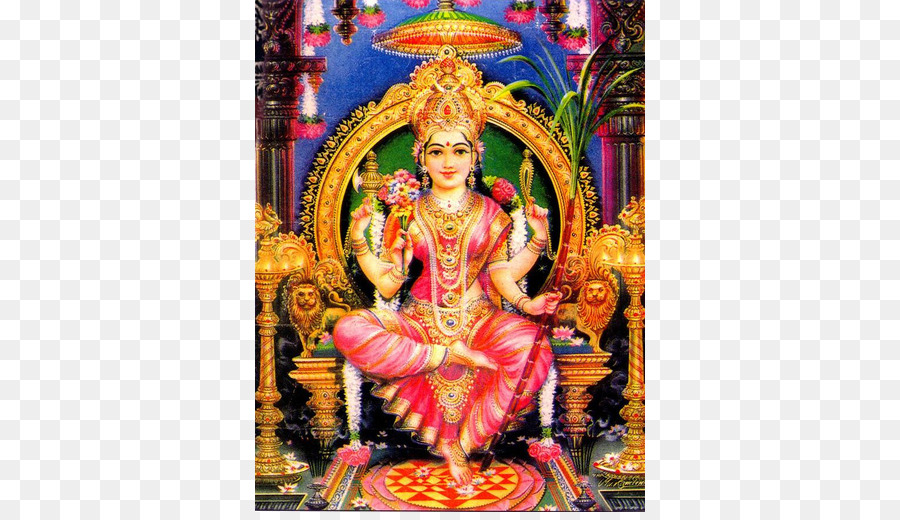
I believe that in reality Lakshmi is Lilith because it is the same name, Lakshmi is the same name as Laki and comes from Lalita which is where Lilith's name comes from.

https://es.kisspng.com/kisspng-aj8f2w/
kisspng-lalita-sahasranama-lakshmi-tripura-sundari-shakti-kali-mandir-laguna-beach-5b1d361ac446a2.412803691528641050804.jpg


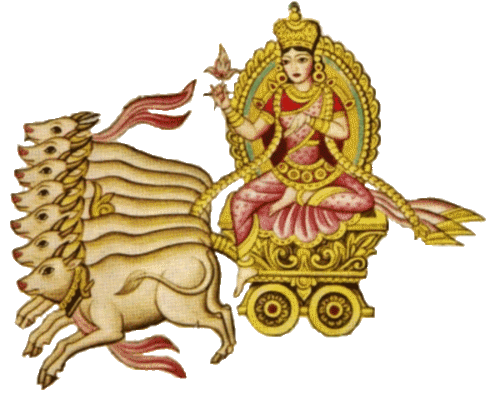
And Astaroth is the goddess Ushás that is the same name where Eos, Aurora, Ostara, Isis and Astarte come from.

Ushas.gif
 
Wotanwarrior said:
I believe that in reality Lakshmi is Lilith because it is the same name, Lakshmi is the same name as Laki and comes from Lalita which is where Lilith's name comes from.

https://es.kisspng.com/kisspng-aj8f2w/
kisspng-lalita-sahasranama-lakshmi-tripura-sundari-shakti-kali-mandir-laguna-beach-5b1d361ac446a2.412803691528641050804.jpg


And Astaroth is the goddess Ushás that is the same name where Eos, Aurora, Ostara, Isis and Astarte come from.

Ushas.gif


Alright, cool, thanks! :)
 
Reckoned666 said:
Jack said:
HP Mageson666 said:
The Ramayana is my favourite eastern epic I note it holds a lot of fascination with westerns as well. Which is interesting since the Mahabharata gets the most attention of the epic's in the west. If I was in a Hindu area on Diwali I would probably join in the celebrations.
Thanks bro. I'd love to celebrate it with you too,

swastika-in-hinduism-png-merlin-archive.jpeg

Hopefully we'll be able to do it all together in this lifetime:)

Don't worry, we will. I look forward to it. I miss Diwali
 

Official Temple of Zeus Links

Back
Top