


Nefer Sahu
Member
- Joined
- Dec 3, 2023
- Messages
- 479
Hephaestion's life and the great value of loyalty on the path
Hephaestion is one of the most unforgettable figures in Ancient Greek history. He was the closest friend and most trusted general of Alexander the Great, King of Macedonia.
My research project will explore Hephaestion's life historically, his influence on Alexander the Great, his heroic exploits in battle, their inspiring relationship, the importance of loyalty, and the lessons he left behind for those who follow the path.
Born around 356 BC, Hephaestion was a member of the Macedonian aristocracy. As a young man, he was educated alongside Alexander as a student of the famous philosopher Aristotle. During this period, they worked together on philosophical thought and military strategy. The close friendship between the two was fueled not only by military solidarity, but also through a mutual understanding. Their deep affection for each other has been romantically described by many historians.

Hephaestion played an important role during Alexander the Great's conquests. At the Battle of Granicus, he contributed greatly to Alexander's victory by bravely charging into enemy lines at a young age. He also showed strategic leadership at the Battle of Issos, causing the enemy troops to scatter. However, his greatest heroism came during the Battle of Gaugamela. This battle was a turning point in Alexander's history. Hephaestion attacked the enemy's stronghold, allowing Alexander to realize his strategic plans.
After the conquest of Persia, Hephaestion was appointed as the satrap (governor) of Persia's eastern provinces, including the important region of Babylon. His administrative role involved overseeing these territories and implementing Alexander’s policies, helping to stabilize and integrate the diverse cultures within the conquered lands.
Hephaestion acted as a key diplomat during Alexander's campaigns, assisting in diplomatic efforts to maintain relations with various peoples and tribes. His understanding of different cultures and languages contributed to the diplomatic successes of Alexander's campaign, allowing for smoother transitions of power and support among the conquered populations.
He was also involved in significant construction projects, particularly in Babylon. He accompanied Alexander during the establishment of new cities, which were part of Alexander's vision to blend cultures and facilitate trade. Hephaestion’s contributions to urban planning and infrastructure helped shape the environments of these new cities.
He was not only a great warrior, but also a leader who shared Alexander's dreams. Their friendship was deepened by their trust in each other on the battlefield. Hephaestion stood out as a figure who supported Alexander's ideas while at the same time instilling in him courage. For him, victory was not just a military success, but the realization of Alexander's dreams. Hephaestion's loyalty and love for him was his main motivation in battle.
Hephaestion was a figure who supported Alexander's leadership qualities, understood his vision and motivated him to realize it. They fought together on the battlefield and won victories. But this relationship transcended mere military solidarity. The deep friendship between the two may have developed over time into a kind of romantic relationship or love. Ancient sources frequently refer to the emotional dimensions of their relationship. This goes beyond the norms of male friendship of the time and shows how important Hephaestion was to Alexander.
His presence meant more than just moral support for Alexander. His strategic advice was his greatest ally in his military leadership, and the time and experiences they spent together guided Alexander's decisions. His trust in Hephaestion encouraged and increased the risks Alexander took in battle.
The sudden illness and death of Hephaestion in 324 BC was devastating for Alexander. Hephaestion's death was not only the loss of a friend, but also the loss of a part of him buried deep in his soul. Alexander had a monument built in his memory and wanted him to be remembered as a god. This is one of the historical proofs of Alexander's deep affection.
The loss of Hephaestion had a negative impact on Alexander's state of mind. Alexander the Great became more and more withdrawn due to the sadness and loneliness he felt after the loss of Hephaestion. This also affected his military decisions and general direction. The fact that the bond between the two was so deep reveals the importance of friendship and love in human life.
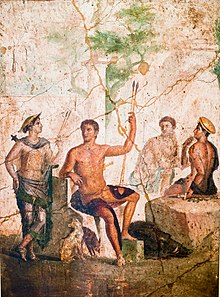
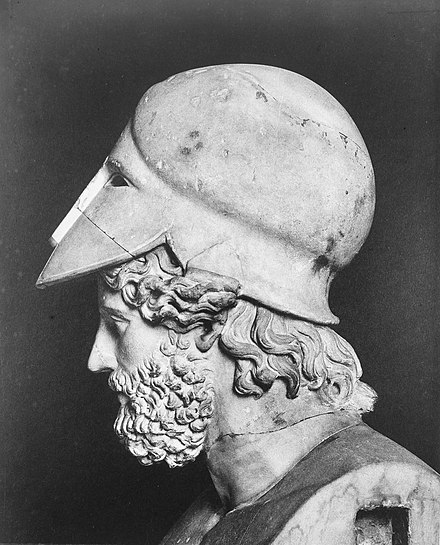
(Alexander on the left, Hephaestion on the right)

One of the most valuable lessons inherited from Hephaestion and Alexander's relationship is the place of loyalty in our lives. True friendship is a bond that sticks with us in difficult times and nourishes our souls. This story shows how important it is how people measure their commitment, dedication and loyalty to each other.
In a world where life, friendships, hardship and loss are intertwined, loyalty means holding the hand of a friend, reassuring a lover and maintaining our commitment to those we love. This loyalty not only strengthens our commitment to each other, but also elevates our souls in the path. Loyalty is a divine and godly virtue.
The story of Hephaestion and Alexander is not only a historical tale, but also a journey into the emotional depths of humankind. This relationship reveals the divine importance of loyalty. They teach us how strongly and deeply a human being can be connected to another, how the soul can be nourished when combined with love and friendship.
Loyalty is one of the most meaningful elements of life and symbolizes the lasting imprint that individuals leave on each other's lives. What we learn from their story helps us understand how love, loyalty and friendship shape our lives. And this story offers a lesson we should remember every day: As we face life's challenges, the love and loyalty of our true friends is a source of light that illuminates our souls.
Beneath the stars, their fates entwined,
Two hearts as one, in love they’d find.
A king so bold, a friend so true,
In war and peace, their bond grew.
Through endless roads, through battles wide,
Hephaestion walked by Alexander’s side.
Not just by power, nor throne or land,
But love that fate could not withstand.
Through Persia’s sands, and rivers deep,
A silent vow they’d always keep.
No crown could match the loyalty shared,
No empire's rise could leave it impaired.
With every step, with every fight,
They carried each other into light.
Though one may fall, the other would rise,
Their love eternal, beyond the skies.

Hephaestion is one of the most unforgettable figures in Ancient Greek history. He was the closest friend and most trusted general of Alexander the Great, King of Macedonia.
My research project will explore Hephaestion's life historically, his influence on Alexander the Great, his heroic exploits in battle, their inspiring relationship, the importance of loyalty, and the lessons he left behind for those who follow the path.
Born around 356 BC, Hephaestion was a member of the Macedonian aristocracy. As a young man, he was educated alongside Alexander as a student of the famous philosopher Aristotle. During this period, they worked together on philosophical thought and military strategy. The close friendship between the two was fueled not only by military solidarity, but also through a mutual understanding. Their deep affection for each other has been romantically described by many historians.
Hephaestion played an important role during Alexander the Great's conquests. At the Battle of Granicus, he contributed greatly to Alexander's victory by bravely charging into enemy lines at a young age. He also showed strategic leadership at the Battle of Issos, causing the enemy troops to scatter. However, his greatest heroism came during the Battle of Gaugamela. This battle was a turning point in Alexander's history. Hephaestion attacked the enemy's stronghold, allowing Alexander to realize his strategic plans.
After the conquest of Persia, Hephaestion was appointed as the satrap (governor) of Persia's eastern provinces, including the important region of Babylon. His administrative role involved overseeing these territories and implementing Alexander’s policies, helping to stabilize and integrate the diverse cultures within the conquered lands.
Hephaestion acted as a key diplomat during Alexander's campaigns, assisting in diplomatic efforts to maintain relations with various peoples and tribes. His understanding of different cultures and languages contributed to the diplomatic successes of Alexander's campaign, allowing for smoother transitions of power and support among the conquered populations.
He was also involved in significant construction projects, particularly in Babylon. He accompanied Alexander during the establishment of new cities, which were part of Alexander's vision to blend cultures and facilitate trade. Hephaestion’s contributions to urban planning and infrastructure helped shape the environments of these new cities.
He was not only a great warrior, but also a leader who shared Alexander's dreams. Their friendship was deepened by their trust in each other on the battlefield. Hephaestion stood out as a figure who supported Alexander's ideas while at the same time instilling in him courage. For him, victory was not just a military success, but the realization of Alexander's dreams. Hephaestion's loyalty and love for him was his main motivation in battle.
Hephaestion was a figure who supported Alexander's leadership qualities, understood his vision and motivated him to realize it. They fought together on the battlefield and won victories. But this relationship transcended mere military solidarity. The deep friendship between the two may have developed over time into a kind of romantic relationship or love. Ancient sources frequently refer to the emotional dimensions of their relationship. This goes beyond the norms of male friendship of the time and shows how important Hephaestion was to Alexander.
His presence meant more than just moral support for Alexander. His strategic advice was his greatest ally in his military leadership, and the time and experiences they spent together guided Alexander's decisions. His trust in Hephaestion encouraged and increased the risks Alexander took in battle.
The sudden illness and death of Hephaestion in 324 BC was devastating for Alexander. Hephaestion's death was not only the loss of a friend, but also the loss of a part of him buried deep in his soul. Alexander had a monument built in his memory and wanted him to be remembered as a god. This is one of the historical proofs of Alexander's deep affection.
The loss of Hephaestion had a negative impact on Alexander's state of mind. Alexander the Great became more and more withdrawn due to the sadness and loneliness he felt after the loss of Hephaestion. This also affected his military decisions and general direction. The fact that the bond between the two was so deep reveals the importance of friendship and love in human life.
(Alexander on the left, Hephaestion on the right)
One of the most valuable lessons inherited from Hephaestion and Alexander's relationship is the place of loyalty in our lives. True friendship is a bond that sticks with us in difficult times and nourishes our souls. This story shows how important it is how people measure their commitment, dedication and loyalty to each other.
In a world where life, friendships, hardship and loss are intertwined, loyalty means holding the hand of a friend, reassuring a lover and maintaining our commitment to those we love. This loyalty not only strengthens our commitment to each other, but also elevates our souls in the path. Loyalty is a divine and godly virtue.
The story of Hephaestion and Alexander is not only a historical tale, but also a journey into the emotional depths of humankind. This relationship reveals the divine importance of loyalty. They teach us how strongly and deeply a human being can be connected to another, how the soul can be nourished when combined with love and friendship.
Loyalty is one of the most meaningful elements of life and symbolizes the lasting imprint that individuals leave on each other's lives. What we learn from their story helps us understand how love, loyalty and friendship shape our lives. And this story offers a lesson we should remember every day: As we face life's challenges, the love and loyalty of our true friends is a source of light that illuminates our souls.
Beneath the stars, their fates entwined,
Two hearts as one, in love they’d find.
A king so bold, a friend so true,
In war and peace, their bond grew.
Through endless roads, through battles wide,
Hephaestion walked by Alexander’s side.
Not just by power, nor throne or land,
But love that fate could not withstand.
Through Persia’s sands, and rivers deep,
A silent vow they’d always keep.
No crown could match the loyalty shared,
No empire's rise could leave it impaired.
With every step, with every fight,
They carried each other into light.
Though one may fall, the other would rise,
Their love eternal, beyond the skies.












![The Alchemist7 [SG]](/data/avatars/m/1/1057.jpg?1762556650)