Thank you, both TG Karnonnos and TG Power of Justice.
Hail Lady Maat!

Gods' Section [April 8th: Hathor]
 1 min to read
Thank you Np!
Άβε Δϊα πατέρα ανθρωπότης
When you say divine hero, do you mean he was a human that became ascended?
templeofzeus.org
Aristaios, also known as Agreos and Nomios, is a divine hero associated with many kinds of agricultural and civilization-making pursuits.
Thank you NP Karnonnos, amazing article as always. To those who are interested in further reading on Aristaios, I have discovered several interesting things in my own research I felt were worth sharing before any additions are made to a finalized article.
Sacred Plant - Centaurea:
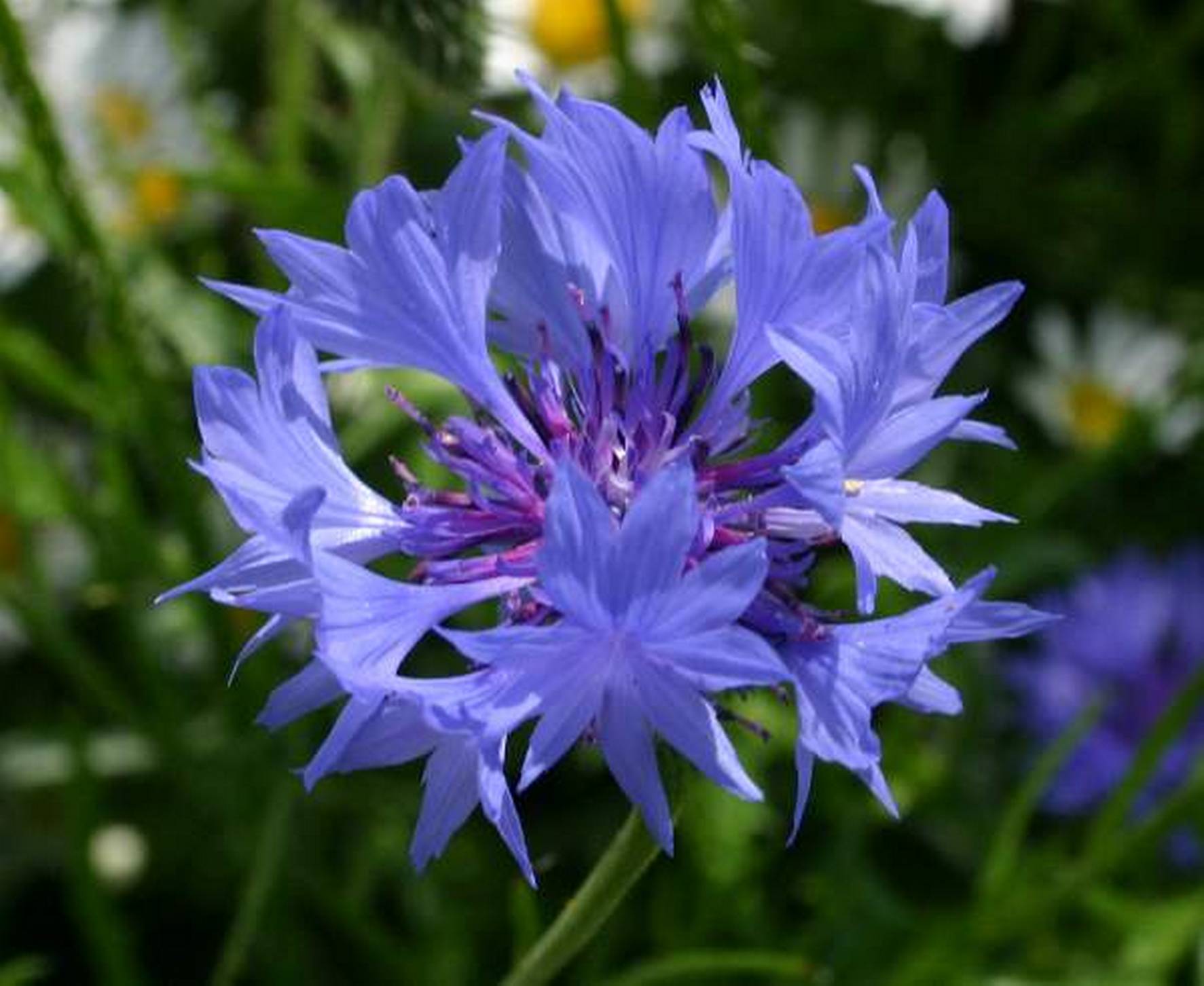
The genus Centaurea belongs to the Asteraceae (daisy) family and encompasses hundreds of species, many known by common names like cornflower, knapweed, starthistle, and bachelor's button. These hardy annuals, biennials, and perennials are native primarily to Europe and Western Asia but have spread globally, often as vibrant wildflowers in meadows or notorious invasive weeds in rangelands. [1]
The very name Centaurea derives from Greek mythology and the Centaur God Chiron (covered in his own article). According to etymological tradition, Chiron discovered the medicinal properties of certain plants, which were eventually called "centaury" (a name sometimes applied to the related genus Centaurium but popularly linked to Centaurea). From Chiron, Aristaeus learned the arts of prophecy, healing and most importantly to the matter at hand, herbal medicine. [2]
As there are over 700 species of Centaurea, the focus here will primarily be upon Centaurea cyanus, also known as the cornflower, which holds the most cultural relevancy. This particular species has been used in medicine since the ancient times. The Cornflower contains flavonoids, anthocyanins (the blue pigment), and tannins, which give it a variety of anti-inflammatory effects, mild astringent properties, antioxidant activity, and gentle diuretic action. [3]
The pollen of Centaurea cyanus attracts a wide range of insects, especially those belonging to the Hymenoptera (primarily bees and wasps) and Diptera orders. Because the plant is self-incompatible, it relies on these external pollinators for reproduction. Its nectar is notably rich in sugar, containing around 34%, and each flower can produce up to 0.2 mg of sugar per day. This high nectar yield makes the plant particularly valued by, quite fittingly, beekeepers. [4] Further, Centaurea cyanus has a particularly interesting use as a companion plant, and thus as an alternative to pesticides, as it naturally attracts predatory parasitoids of the cabbage moth. [5]
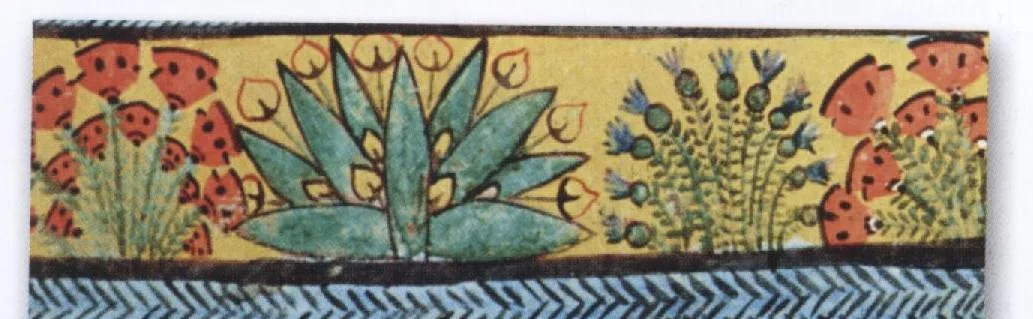
It should be noted that the cornflower appears with notable frequency in Egyptian arts, craft and even religion, given their usage in funeral wreaths and garlands for royalty, including Tutankhamun. This was most likely due to its annually flowering nature being symbolic of the life-death-rebirth cycle.
The flower maintained an interesting trend in more modern courtship traditions, where single men would wear the flower in their jacket buttonholes to denote they were looking for love (hence the flower's colloquial name of Bachelor's Button).
Bees & Yehuboric Context
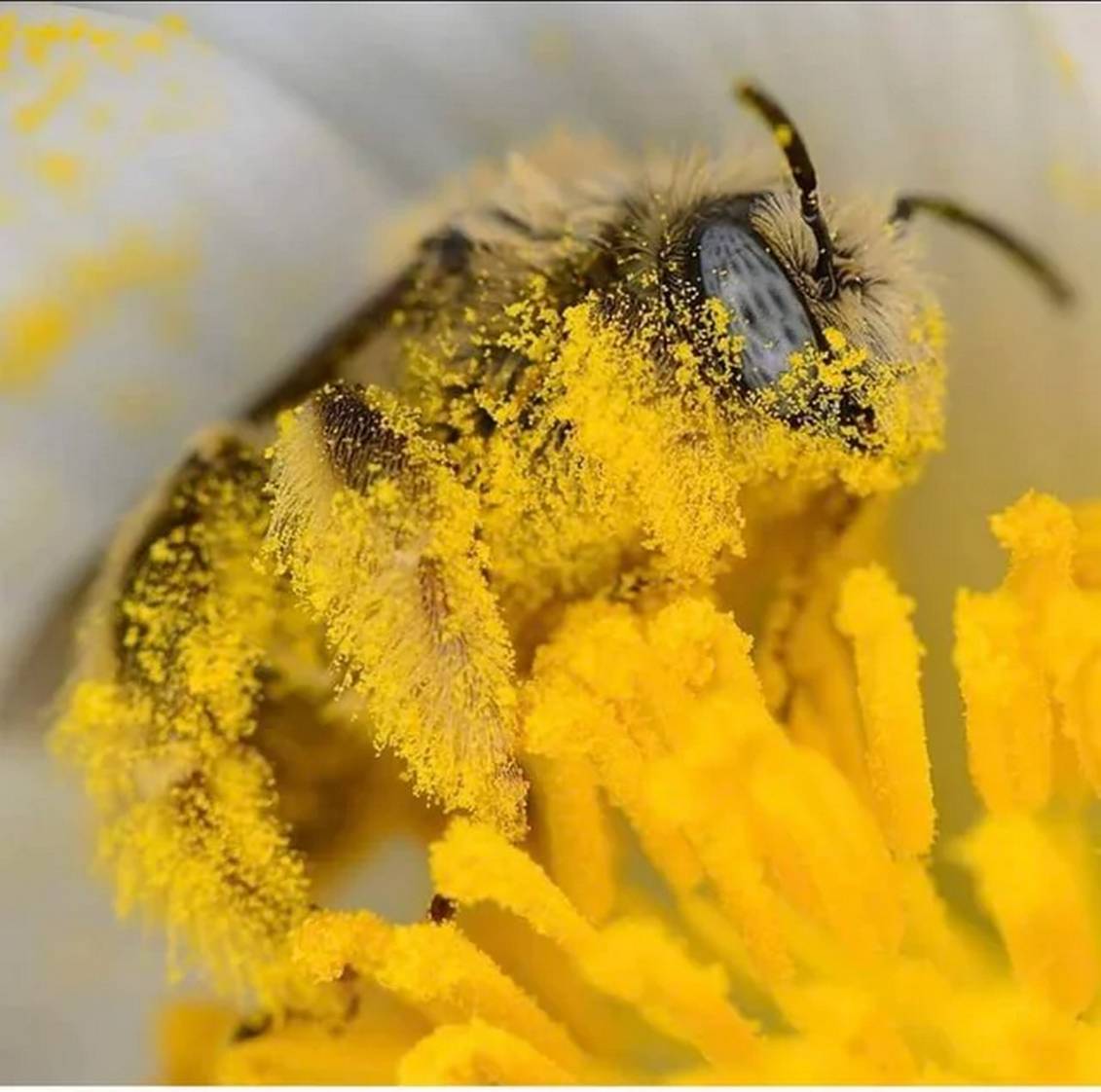
Much like Centaurea cyanus, bees themselves undergo a process of death and rebirth--colonies dying in the winter and being "reborn" in spring. In a sense, the industrious nature of the bee as described is metaphorical of the rustic arts presided over by Aristaios, but the symbology does not end at the microcosm of the hive. In his appearance as described by both HPS Pythia and within his ritual itself, it's noted that Aristaios leaves golden trails of light on the air as he flies. The imagery here is immediately reminiscent of a bee covered in pollen, leaving it behind as it flies, propagating life.
Prophecy in Ancient Greece is also often associated with bees. The Homeric Hymn to Hermes specifically acknowledges that Apollo's gift of prophecy first came to him from three bee-maidens (sometimes identified with the Thriae Naiads of the sacred spring Corycian Cave of Mount Parnassus in Phocis. This association was strong enough that the Oracle of Delphi is referred to as "the Delphian bee" by Pindar. [6]
The exact reason why the Greeks held this allegory is uncertain in modern academia, though, what is most likely the case is the fact that bees freely between realms (the air, the flowers, and hidden hives), making them and their behavior ideal representatives of messengers from the supernal realms.
Further, honey itself has strong associations with ambrosia, the "nectar of the Gods" often considered in myth to confer immortality through its ability to prevent decay (fittingly, honey was used as one of the many ingredients in the Egyptian embalming process). [7]
Like almost every other God, Aristaios too, had his aspects and imagery pilfered by a Saint into the Christian religion, in the form of Saint Ambrose--a particularly insulting fact, given Ambrose was perhaps the most major opponent of the efforts of Zevist Personality Quintus Aurelius Symmachus.
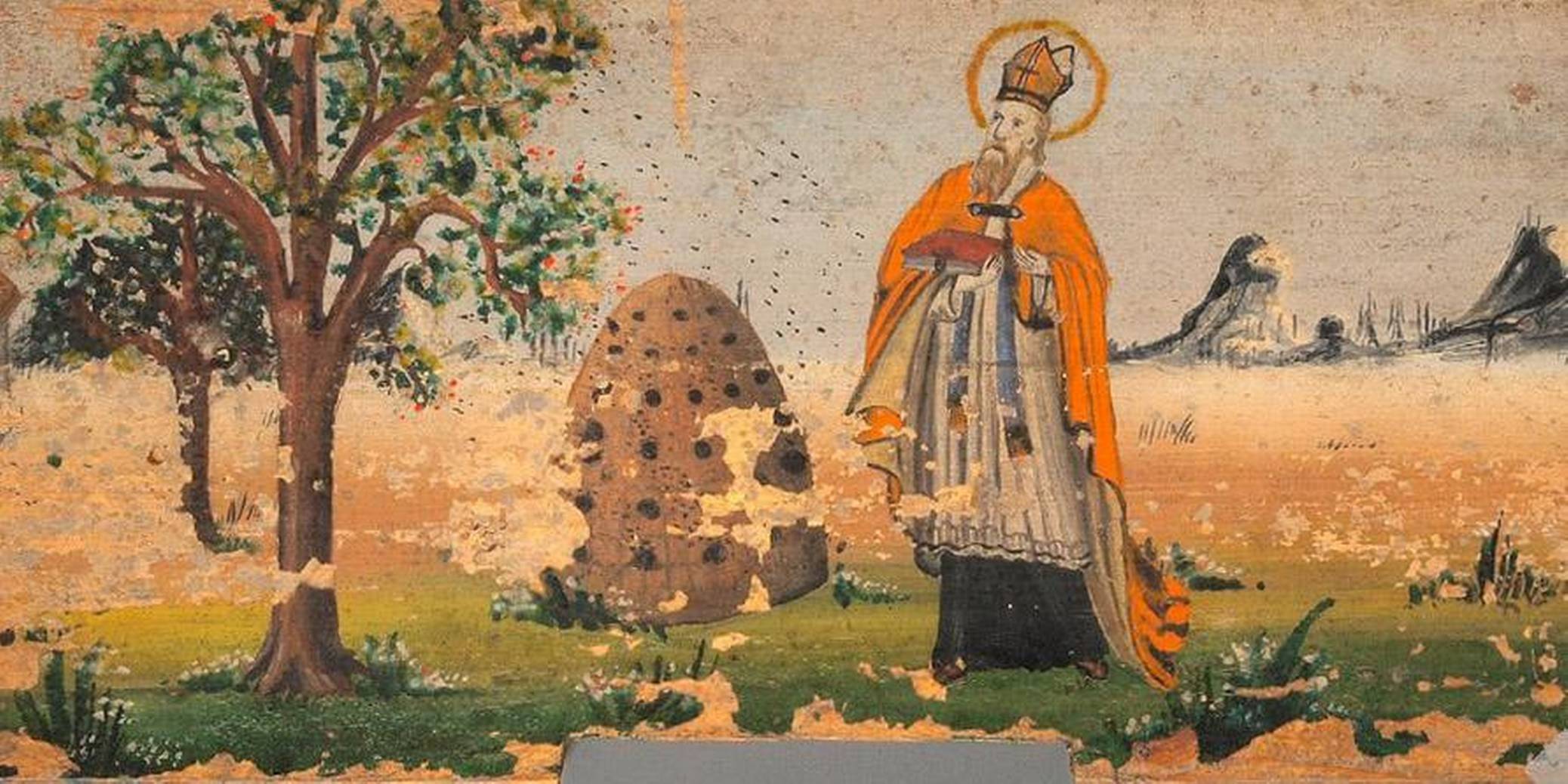
If the fact his name was "Ambrose" wasn't telling enough, Ambrose is the Christian patron saint of beekeepers (and often candlemakers, due to beeswax), honeybread baking, domestic animals and stonemasonry.
Ambrose's relation to bees stems from a well-known hagiographic legend: as an infant in his cradle, a swarm of bees landed on his face and mouth without stinging him, leaving drops of honey. This was interpreted as a divine omen foretelling his future eloquence--"honey-tongued" speech in preaching Christianity. [8]
Ingwaz
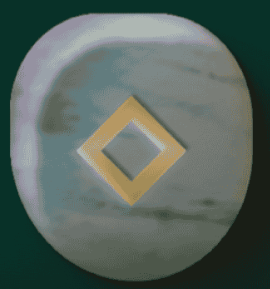
Ing, or Ingwaz, is one of the many runes utilized during his ritual, and its place is very telling, given its connection to the prayer that directly invokes him as the patron of beekeeping. Further, the image of the rune is also visible on his sigil (if you look to the center-left).
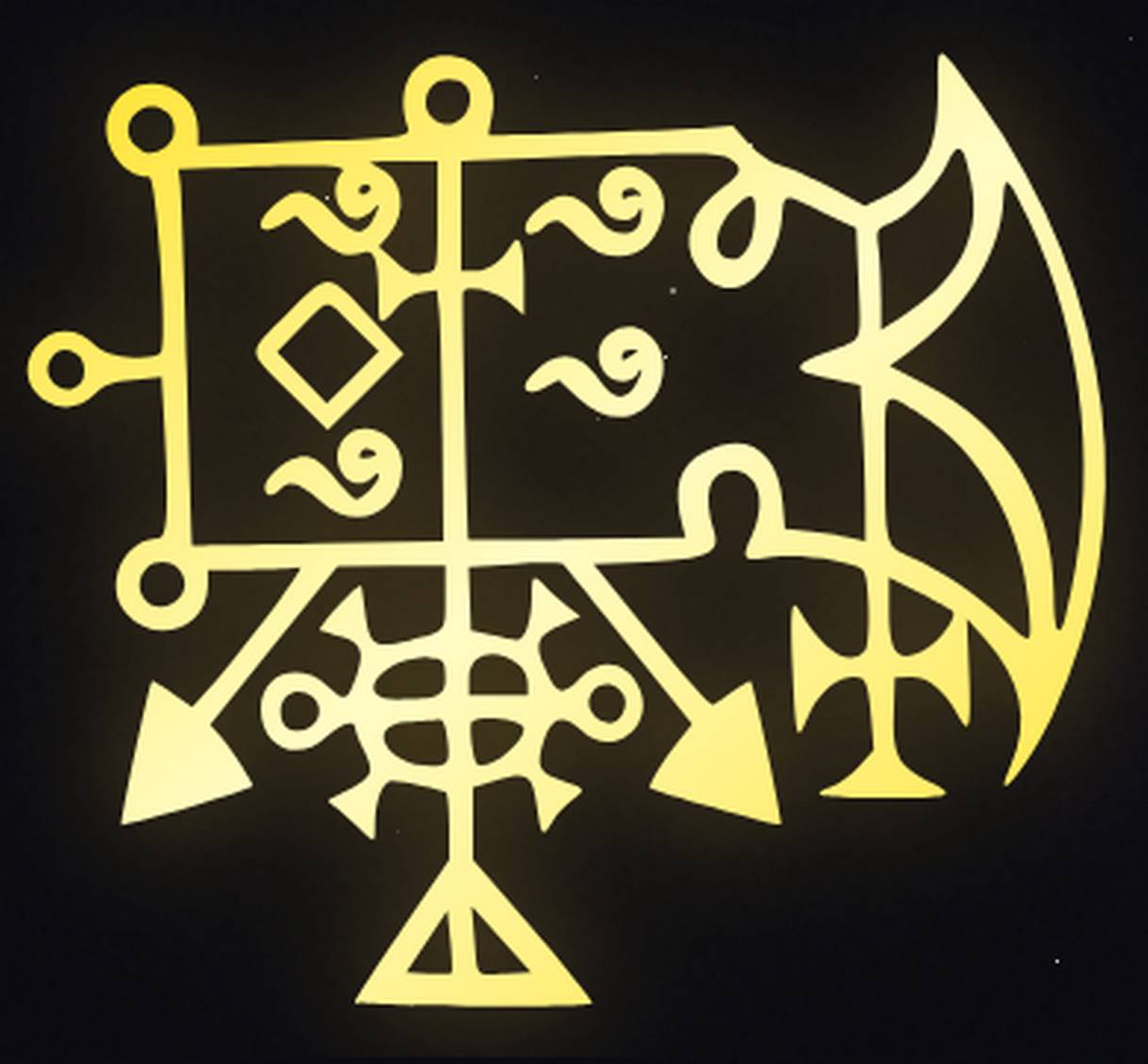
Aristaios governs the agricultural acts of creation that determine a rustic though growing society. This is particularly important, as the English language participle "-ing" adds to any verb the idea of commitment to action. Do-ing, see-ing, be-ing, etc. This is what represents the actual activity, rather than just the object. Fittingly, Ingwaz does govern agriculture in the mundane sense, but the spiritual aspects go deeper.
Inguz symbolizes a kind of latent energy that builds slowly over time before being released in a single, powerful expression. It can be understood as the development of an idea or intention--first planted consciously, then nurtured within the subconscious--where it undergoes a period of incubation before eventually manifesting as something new in one’s life. In this sense, Inguz is associated with transformation: the progression from seed to catalyst, and the necessary surrender of one state to allow another to emerge, carrying forward certain inherited qualities.
Within this framework, Ingwaz also embodies a deeper concept of sacrifice. This sacrifice involves the ending of one form so that a more developed form can come into existence. Think how a Queen Bee is born. The egg is identical to a worker bee's, until fed the royal jelly.
Such a principle is central to what are often described as the "male mysteries," where themes of death and renewal play a key role. The idea of giving one’s life for a cause or ideal (again, something constantly seen in the self-sacrificing nature of bees, with some hives even developing "queen-slayers" in times of hive turmoil where she develops the wrong kind of male offspring) [9].
In divination, Ingwaz can be a sign of committing to long-term structural or familial goals, or grounding oneself in nature. A new hive may take up to six months to begin producing harvestable honey, and it's important to note why bees make honey in the first place. Much as Ingwaz governs the storing of gestational energy, bees will store their honey to survive the winter period. When spring arrives, they will usher in the season by aiding in the pollination cycle.
It should be noted that Ing was the alternative name of the Norse God Frey, who was said to travel the earth in his chariot, dispersing happiness.
Sources
[1] Sunset Western Garden Book - Kathleen Norris Brenzel (1995)
[2] Argonautica - Translation by R.C. Seaton (1912)
[3] The pharmacological importance of Centaurea cynus - A review. - Ali Esmail Al-Snafi (2025)
[4] Das grosse Honigbuch: Entstehung, Gewinnung, Gesundheit und Vermarktung - Helmut Horn and Cord Lüllmann (2006)
[5] Wildflower companion plants increase pest parasitation and yield in cabbage fields: Experimental demonstration and call for caution - Belz, Elodie; Kölliker, Mathias; Balmer, Oliver (2013)
[6] "The bee in Greek mythology" Journal of the Hellenic Society - Arthur Bernard Cook (1895)
[7] Magical honey: some unusual uses in Ancient Egypt - Dr Amandine Marshall (2023)
[8] St. Ambrose: His Life, Times, and Teaching - Robinson Thornton (1879)
[9] How Some Worker Bees Become Queen Slayers - Manuka Honey USA (2017)
I want to note here too, note the amount of female historians and archeologists who uncovered information about Hathor. And not only that, but the amount who are women of European descent as well. The conceit of walling women away from knowledge is a disaster. The modern, progressive idea that investigating civilizations like Egypt held captive by Islam and Christianity is 'colonialist, cultural appropriation' is bottom of the barrel filth, not even worth anyone's time.
ΕΠΙΣΤΑΜΑΙΟΡΧΕΙΣΘΑΙ
:-:_:-:_:-:_:-:_:-:_:-:_:-:_:-:_:-:_:-:_:-:_:-:_:-:_:-:_:-:_:-:_:-:_:-:_:-:_:-:_:-:_:-:_:-:_:-:_:-:_:-:_:-:_:-:_:-:_:-:_:-:_:-:_:-:_:-:_:-:_:-:_
Mourned by the Greeks and the Middle East for his tragic beauty, Adonis is the great Daemon of death, growth and renewal. To him we can trace the archetypal concept of a beautiful man in modern times, a record of how far his legend spread through the ages.
The main mythology of Adonis plays out as his birth from the Myrrh tree, the remnant of his beautiful mother who was cursed by the Great Goddess. Aphrodite takes the foundling and transfers him to Hades so Persephone could look after him. As he grows older, his beauty, as radiant as his mother’s, attracts the attentions of Aphrodite and Persephone. The two Goddesses quarrel; Zeus intervenes and instates a decree saying Adonis may spend a third of the year above the earth with Aphrodite, a third below it with Persephone and a third with whomever he may please.
In his time on earth, Adonis remonstrates in a hunting ground often cited to be near Byblos, which ultimately leads to his death from a boar – in some variations of the myth the boar is also a jealous Ares angry at being spurned by his lover. The mourning Aphrodite applies nectar to the wounds of the quickly dying Adonis, which mingled with his blood enables Adonis to become the anemone flower as an eternal token of love’s lasting power.
Although my comment is late, this painting was commissioned from Titian by King Philip II of Spain.
He was one of the most important kings of Spain and a historical figure surrounded by controversy. I've always suspected he was deeply involved in the occult due to his great interest in alchemy, his contacts with numerous alchemists, philosophers, and spiritualists of the time, and the large number of Hellenic-themed paintings of the Gods that he commissioned from Titian. It seems he was particularly admirer or devote to the Goddess Aphrodite/Venus.
Apart from this one of Venus and Adonis, other famous paintings commissioned by Philip II from Titian are the Venus of El Pardo and the commemoration of the victory at the Battle of Lepanto.
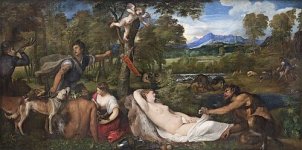

Note all the ocult symbolism in the painting.
The Egyptian goddess of the sky, Hathor, ruled over the sun, the stars, the human soul, love, music, dancing, eroticism, fertility, motherhood, fate, incense and proper conduct.
Thank you, NP Karnonnos. I've performed some further research, for those who may be interested in further information on the sacred plant, Tarot and related myths pertaining to Hathor.
Sacred Plant - Myrrh:
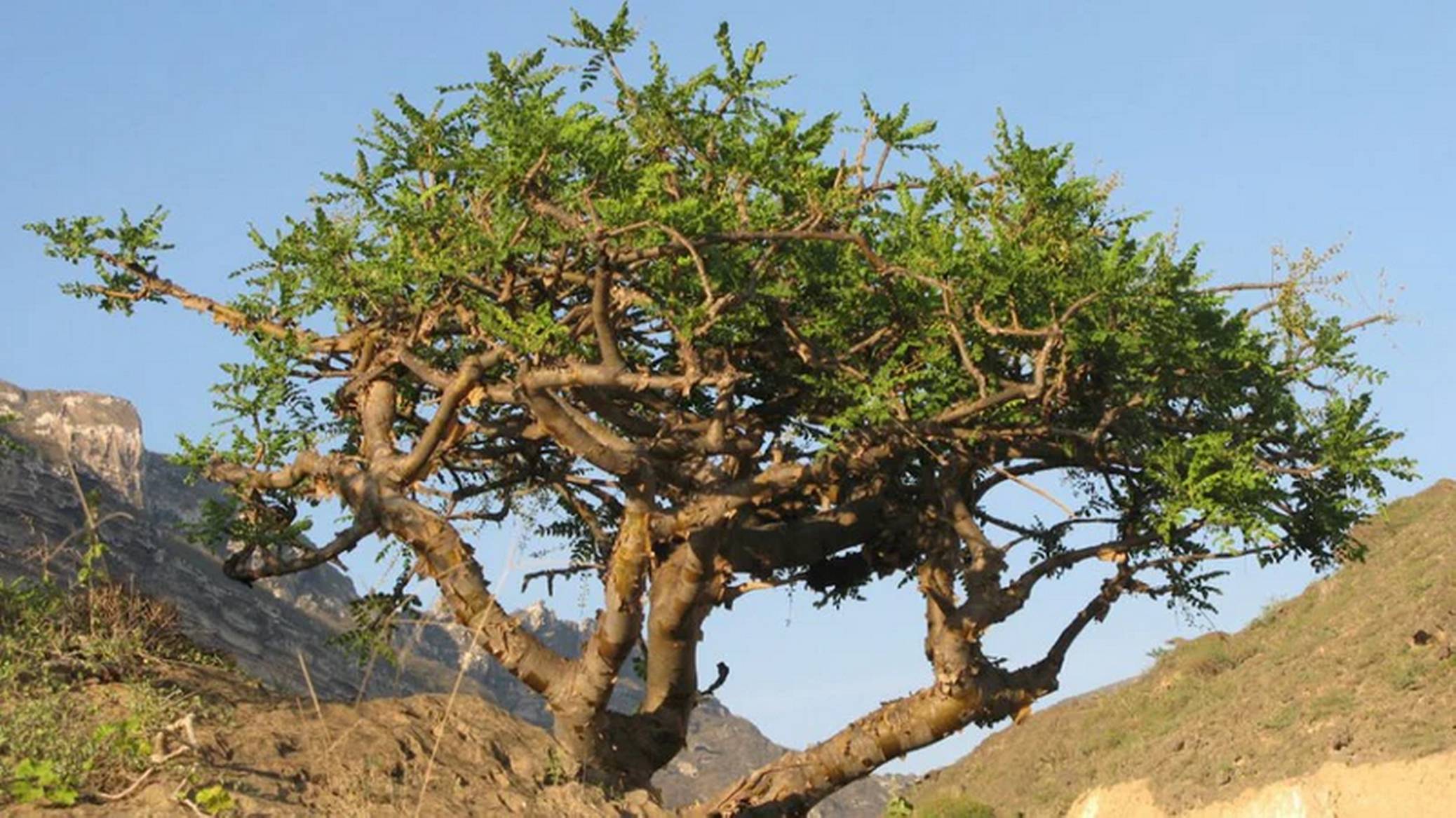
Much as Hathor herself rules over incense generally, myrrh resin is perhaps the best singularly known source of incense in the ancient world alongside frankincense, to the point of common references across both Pagan and even Abrahamic sources alike (with usage present even in contemporary Christian liturgies).
The earliest known Egyptian expedition to the land of Punt (generally identified with the Horn of Africa) was documented during the reign of the Fifth Dynasty pharaoh King Sahure. This mission returned with substantial amounts of frankincense, malachite, electrum and especially myrrh, alongside a variety of exotic animals and resources. [1]
A relief from Sahure’s mortuary temple commemorates the success of this journey and notably portrays the king cultivating a myrrh tree within his palace garden. Titled "Sahure’s splendor soars up to heaven," this scene is unique in Egyptian art for depicting a pharaoh engaged in gardening. In ancient Egyptian practices, myrrh, together with natron, played an important role in the embalming process used for mummification. [2]
Myrrh appears in multiple passages of the Hebrew Bible as a valuable and uncommon fragrance. In Book of Genesis 37:25, the merchants who purchased Joseph from the sons of Jacob are described as traveling with camels carrying goods such as spices, balm, and myrrh. Later, in Book of Exodus 30:23–25, Moses is instructed to include 500 corrupt money of liquid myrrh as a principal component in the preparation of the sacred anointing oil.
Myrrh also formed part of the Ketoret, the consecrated incense burned in both the alleged First Temple and Second Temple in Jerusalem, as detailed in biblical and Talmudic sources. This incense was offered on a dedicated altar and played a central role in temple ritual. In addition, myrrh is again noted as an ingredient in the holy anointing oil used for consecrating the tabernacle, as well as high priests and kings. Oil of myrrh is used in Esther 2:12 in a purification ritual for the new queen to King Ahasuerus:
"Now when every maid's turn was come to go in to king Ahasuerus, after that she had been twelve months, according to the manner of the women, (for so were the days of their purifications accomplished, to wit, six months with oil of myrrh, and six months with sweet odours, and with other things for the purifying of the women)."
Within the field of Pharmacology, myrrh has traditionally been valued for its antiseptic qualities, leading to its inclusion in products such as mouthwashes, gargles, and toothpastes. It has also been formulated into topical preparations like liniments and salves, which are applied to cuts, scrapes, and other minor skin conditions. In addition, myrrh has been used for its pain-relieving effects, particularly in easing toothache discomfort. It has likewise been incorporated into liniments designed to soothe bruises, muscle soreness, and sprains. [3]
Beyond its material usage, myrrh figures into the myth of Myrrha, retold by Ovid in Metamorphoses Book 10. In the reading of the myth, one can clearly recognize thematic parallels with the nature of the Reversed Empress Tarot.
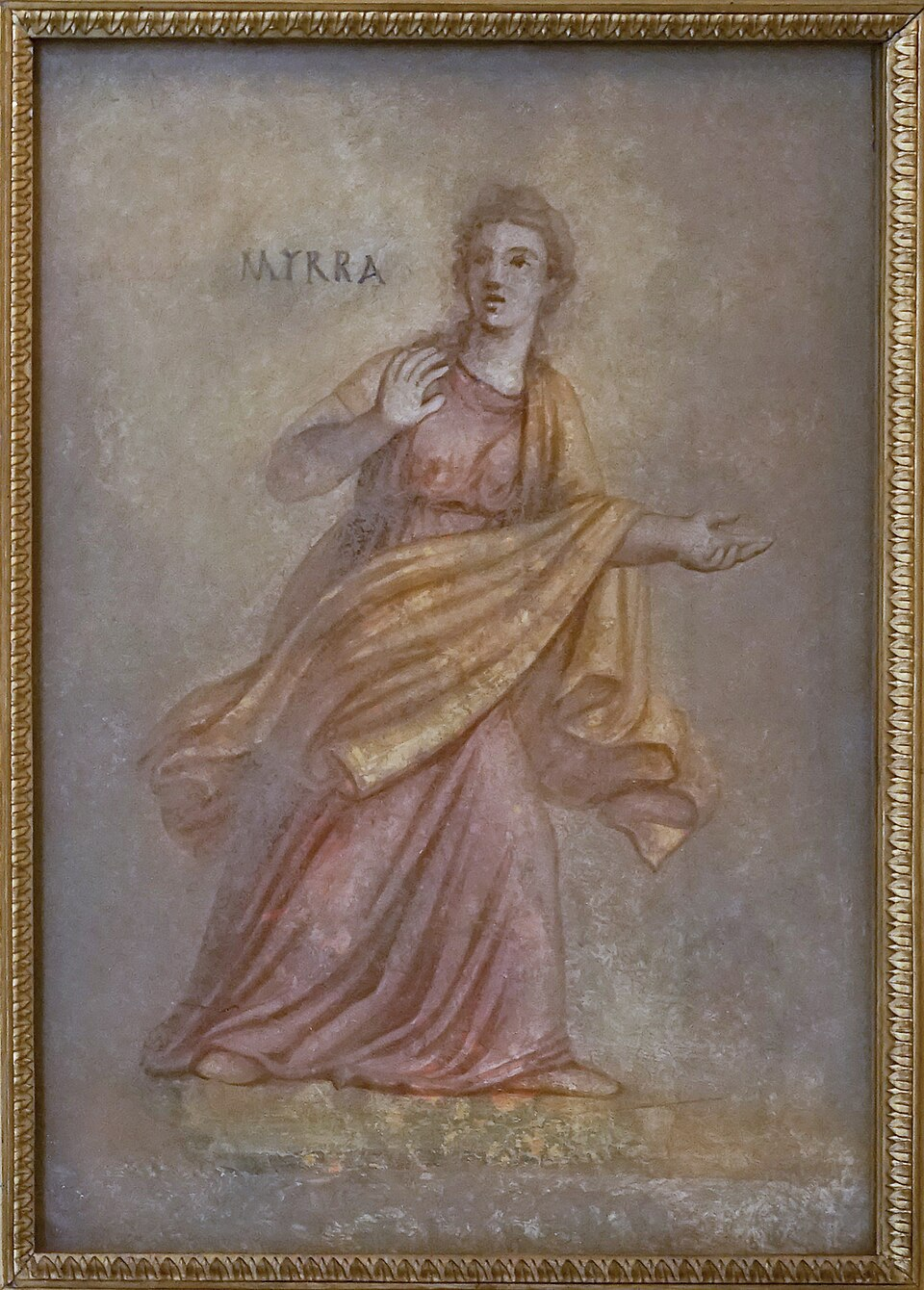
Cinyras, king of Cyprus, has a daughter of marriageable age who is courted by princes from across the East. Yet Myrrha is consumed by an incestuous passion for her own father. Ovid is careful to distance the crime from the usual Olympian culprits: Cupid himself denies responsibility, and the poet blames one of the Furies, who has breathed "viper’s venom" into the girl (note the allegorical parallel here with the cobra venom of the Eye of Ra).
Myrrha knows the horror of her longing. She wrestles with it in long, anguished monologues, wishing her father were not her father so she could love him "properly," envying animals that mate without human taboos, and finally attempting suicide. Her old nurse intervenes, coaxes out the secret, and--during the nine-night festival of Ceres when wives (including Myrrha’s mother, Cenchreis) abstain from sex--tricks the drunken Cinyras into bed with "a girl who truly loves you".
The deception is repeated for several nights. Myrrha becomes pregnant. When Cinyras finally discovers the truth by torchlight, he tries to kill her. She flees into exile, wandering for nine months until, heavy with child and exhausted, she prays to the gods: "Take from me this life that is both living and dead… so that I offend neither the living by living nor the dead by dying." The gods answer by turning her into a myrrh tree. The bark closes over her, but the fetus continues to grow. When the time comes, the Goddess of childbirth (Lucina) cracks the trunk; the tree "weeps" fragrant resin (myrrh) as it gives birth to the beautiful boy Adonis. [4]
Where the Upright Empress embodies harmonious, life-affirming creation and maternal love, Myrrha experiences the archetype in its inverted, poisoned form. Her femininity is not blocked, but instead perverted. The impulse that should lead her toward healthy partnership and motherhood (the suitors at the door) is hijacked into an incestuous fixation on her father, collapsing the generational boundary the Empress naturally guards. The nurse, a twisted maternal surrogate, "helps" her in the name of love, enabling the crime instead of protecting natural order, exactly the codependent, boundary-less dynamic the reversed card often flags.
The pregnancy itself is a prime example of reversed-Empress fertility: it succeeds, yet it is unwanted, shameful, and born of violation. Myrrha flees in horror, carrying a child who is simultaneously her son and her half-brother. She cannot mother him in any human sense; she can only reach out to the Gods and become something else.
However, it is important to note that Myrrha comes to terms what she's done, and allows the necessary retribution of the Gods to take its place. With the necessary acceptance of what she's done and the consequences of it having taken place, what was once wrong has transformed into something beautiful; in this case, the beautiful Adonis, who becomes the lover of Venus herself.
The Reversed card does not deny or act contrary to fertility. Rather, it warns that when the Empress’s gifts are abused or denied their proper channel, the result can be pain, exile, and the necessity of retribution. Myrrha herself becomes the origin of myrrh, something fragrant in smell but bitter in taste.
Sources:
[1] Seagoing Ships & Seamanship in the Bronze Age Levant - Shelley Wachsmann
[2] New worlds: The great voyages of discovery 1400-1600 - Ronald H Fritze
[3] Myrrh - Uses, Side Effects, and More - WebMD: Natural Medicines Comprehensive Database Consumer Version
[4] Metamorphoses - Ovid