

Gli Upanishad
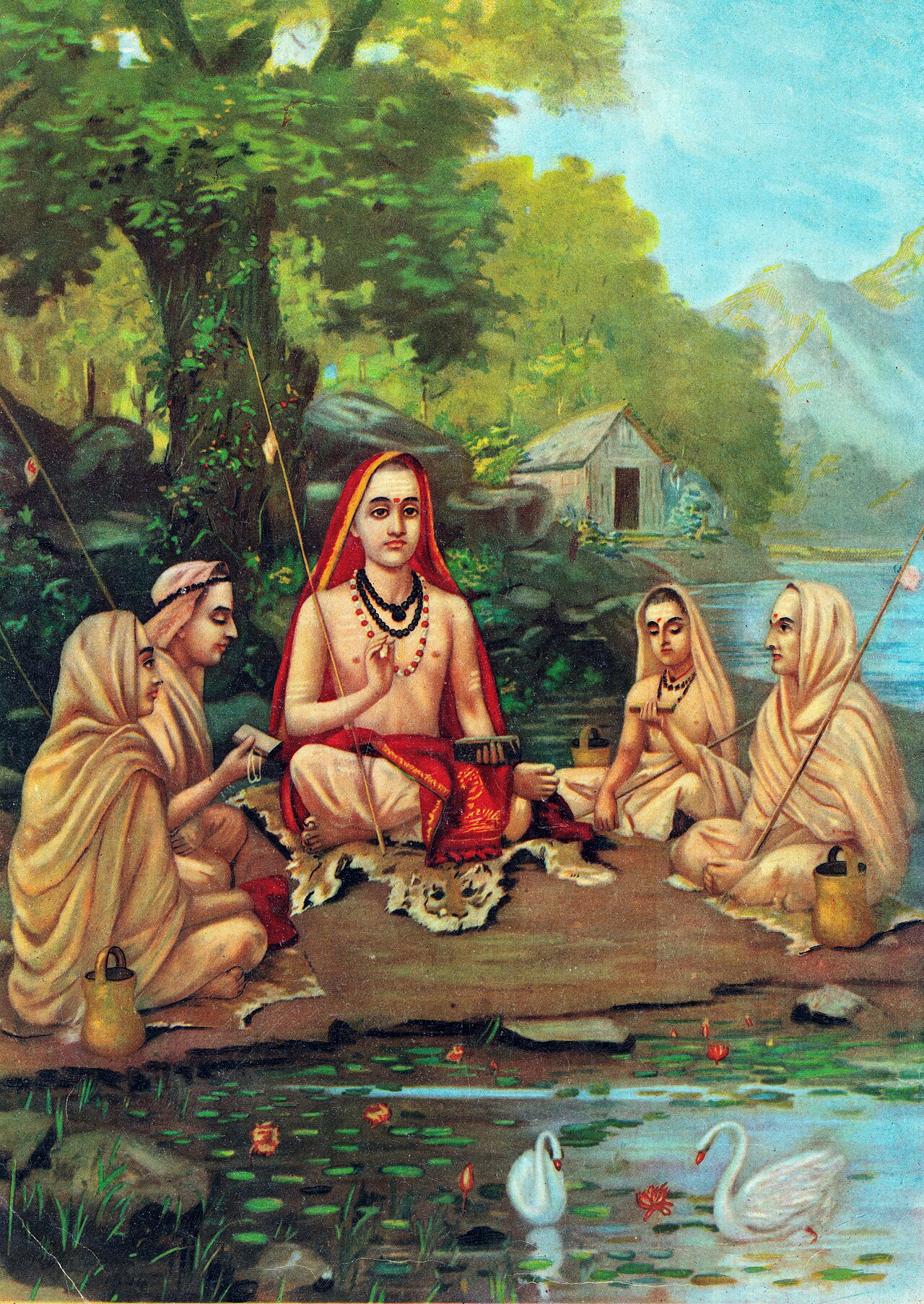
Che cos'è: Il fondamento filosofico della tradizione vedica. Gli Upanishad (letteralmente "sedersi vicino", cioè ricevere insegnamenti esoterici da un maestro) sono dialoghi tra insegnanti e studenti che esplorano la natura del Brahman (la realtà assoluta), dell'Atman (il sé individuale) e dell'identità tra di essi. Il Chandogya dichiara: "Tutto questo è Brahman." Il Mandukya analizza i quattro stati di coscienza (veglia, sogno, sonno profondo e il Quarto trascendente, Turiya). Il Brihadaranyaka esplora la natura della morte e dell'immortalità attraverso i dialoghi del saggio Yajnavalkya. Il Kena pone la domanda fondamentale: con quale potere la mente pensa? L'Isha dichiara che il divino permea tutte le cose e che la rinuncia e l'impegno nel mondo non sono opposti.
Perché è importante: Gli Upanishad sono l'equivalente indiano del Corpus Hermeticum: l'esplorazione sistematica del rapporto tra la mente umana e la Mente divina, tra l'anima individuale e l'anima cosmica. La loro dichiarazione centrale Tat Tvam Asi ("Tu sei Quello") è identica nel significato alla dichiarazione ermetica: "La Mente, il Padre di tutto, ha generato un Essere Umano uguale a Se Stesso." La stessa verità, la stessa scoperta, la stessa teologia, in due civiltà separate da migliaia di chilometri e secoli di sviluppo indipendente. Questo non è una coincidenza. È una conferma. L'analisi del Mandukya dei quattro stati di coscienza è una mappa pratica per la meditazione che corrisponde alle fasi dell'ascesa teurgia descritte negli Oracoli Caldei e nella tradizione platonica.
Cosa trarne: Il sé individuale (Atman) e l'assoluto cosmico (Brahman) sono uno. Conoscere se stessi è conoscere Dio. I quattro stati di coscienza sono il laboratorio della conoscenza di sé. Il divino permea tutte le cose; rinuncia e impegno non sono opposti ma complementari. Gli Upanishad insegnano allo Zevista che la teologia degli Dei è confermata in ogni civiltà che abbia guardato abbastanza in profondità. La verità non è locale; è universale.
"Tat Tvam Asi" — Tu sei Quello. Il sé che conosce è il Dio che è conosciuto. Questo è il nucleo di tutta la teologia. Gli Upanishad lo hanno dichiarato in sanscrito. L'Ermetica lo ha dichiarato in greco. La verità si è dichiarata.
"O yea that have believed in me, honor my symbol and my image, for they remind you of me. Observe my laws and statutes. Obey my servants and listen to whatever they may dictate to you of the hidden things. Receive that, that is dictated, and do not carry it before those who are without, Jews, Christians, Muslims and others; for they know not the nature of my teaching. Do not give them your books, lest thy alter them without your knowledge. Learn by heart the greater part of them, lest they be altered." Al-Jilwah, chapter V